
A hobby shop can become one of the most used buildings on your property. Whether you enjoy woodworking, vehicle restoration, welding, farming projects, or simply need a dedicated workspace, the builder you choose can have a major impact on how useful the building becomes.
As a custom hobby shop builder in Leavenworth County, we’ve worked with property owners who had very different goals, but they all wanted one thing: a building that actually works for the way they spend their time.
Why Does Choosing the Right Builder Matter?
Most hobby shops look similar from the outside. What makes the difference is how well the building functions once it’s finished.
We’ve met property owners who focused almost entirely on building size, only to discover later that door placement, storage space, lighting, or workflow mattered more than they expected. One thing we’ve learned is that the best hobby shops are rarely the biggest. They’re usually the ones designed around how the owner plans to use the space every day.
A good builder should help you think through those details before construction begins rather than simply asking how large you want the building to be.
What Should a Builder Ask Before Designing a Hobby Shop?
Every successful project starts with a conversation. Before discussing dimensions or materials, a builder should spend time understanding how you plan to use the building.
Questions should include:
· What projects will you work on?
· How much equipment does it need to fit inside?
· Will the building be used year-round?
· Do you need dedicated storage areas?
· Will vehicles be parked inside?
· Could your needs change in the future?
As a custom hobby shop builder in Leavenworth County, we’ve found that these conversations often reveal needs property owners hadn’t considered yet. The more information gathered upfront, the easier it becomes to create a building that supports both current and future goals.
How Important Is Experience with Similar Projects?
Experience matters more than many people realize.
Not every builder spends time designing hobby shops, workshops, garages, and multi-purpose buildings. We’ve worked with clients who originally planned a simple garage but later realized they needed additional storage, workspace, utility upgrades, or room for future projects.
A builder who has completed similar projects is often better equipped to identify potential challenges before construction begins.
As a garage workshop builder in Leavenworth County, we’ve learned that small decisions made during planning can have a major impact on how the building functions years later.
Should You Look at More Than Building Size?
Absolutely. One mistake we sometimes see is focusing entirely on square footage. Size is important, but it is only one piece of the puzzle.
Other considerations include:
· Door placement
· Ceiling height
· Storage options
· Lighting
· Electrical service
· Ventilation
· Future expansion opportunities
· Workflow throughout the building
We’ve seen buildings with plenty of square footage that were difficult to use because the layout didn’t match the owner’s needs. A thoughtful design often provides more value than simply adding more space.
Why Does Construction Method Matter?
The construction method affects flexibility, durability, and long-term usability.
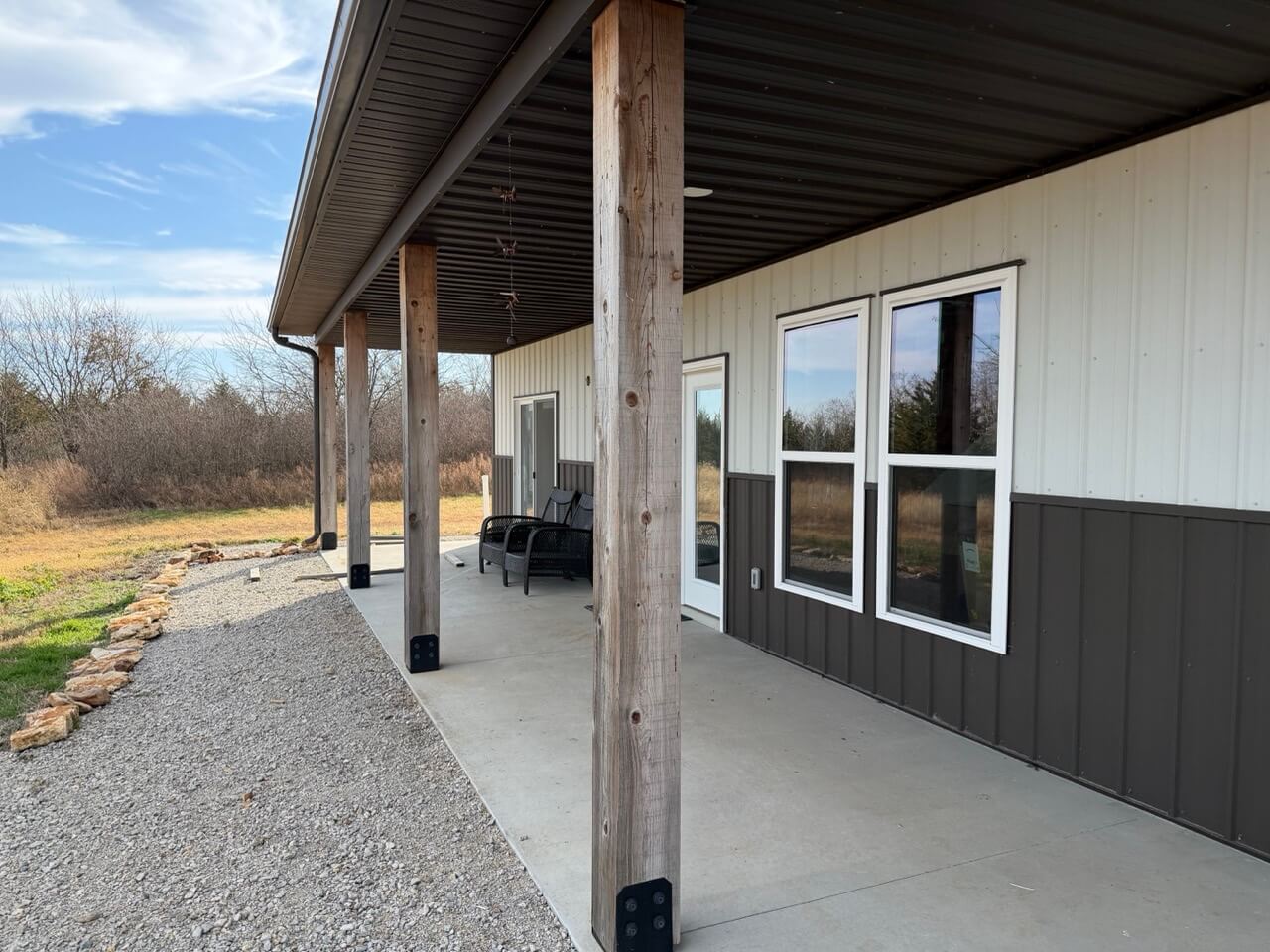
Many property owners choose post frame building construction in Leavenworth County because it creates large open interior spaces that work well for workshops and garages. Without numerous interior load-bearing walls, owners have more freedom when arranging workstations, vehicles, storage, and equipment.
We’ve found that many hobbyists appreciate having room to rearrange space as projects and interests change over time. The ability to adapt to the building is often just as important as the original layout.
What Should You Ask About Future Growth?
One thing we’ve noticed is that hobbies rarely stay the same. Someone who starts with basic woodworking may eventually purchase larger equipment. A vehicle enthusiast may add more tools or take on larger restoration projects. Storage needs tend to grow as well.
That’s why we encourage property owners to discuss future plans during the design phase. As post frame building contractors in Leavenworth County, we’ve worked with many clients who were grateful they planned for future growth before construction began. It’s much easier to account for those possibilities upfront than it is to make major changes later.
How Can You Tell if a Builder Listens?
This may be one of the most important factors when selecting a builder.
A good builder should spend more time listening than talking during the early planning stages. We’ve found that the most successful projects start with understanding how the owner works, what equipment they use, and what challenges they’re trying to solve.
A builder who immediately jumps into dimensions and pricing without understanding your goals may overlook important details that affect how the building performs long term. The best projects usually come from conversations, not assumptions.
What Are the Benefits of Choosing the Right Hobby Shop Builder?
Choosing the right builder can make the entire process smoother and lead to a better finished product.
Some of the biggest benefits include:
· Better Planning
· An experienced builder can help identify needs that may not be obvious during the early stages.
· Improved Functionality
· The building is designed around how you actually work rather than relying on a generic layout.
· More Flexibility
· Future growth and changing interests can be considered before construction begins.
· Fewer Surprises
· Careful planning often helps reduce costly changes later in the project.
· Long-Term Satisfaction
A building that fits your needs from the beginning is more likely to remain useful for years to come.
Can a Hobby Shop Lead to Other Building Projects?
Sometimes it does. We’ve worked with property owners who originally built a hobby shop and later expanded its use. Some added office space. Others increased storage capacity or expanded workshop operations.
We’ve also seen situations where clients started researching hobby shops before eventually exploring residential projects. As a barndominium company in Leavenworth County, we’ve worked with people who realized they wanted a building that combined living space and workspace under one roof.
Early planning often creates more opportunities if your goals evolve over time.
How Are Hobby Shops Related to Barndominiums?
While they serve different purposes, hobby shops and barndominiums often share similar planning considerations.
Both require careful thought about storage, utilities, workflow, and future growth. As barndominium contractors in Leavenworth County, we’ve seen how important it is to think beyond immediate needs.
Whether someone is planning a workshop or a home, the goal is creating a space that remains useful for years to come.
Who Benefits from a Hobby Shop or Garage?
We’ve built shops and garages for a wide range of property owners.
Common clients include:
· Vehicle enthusiasts
· Woodworkers
· Hobby farmers
· Welders
· Small business owners
· Equipment owners
· Recreational vehicle owners
· Homeowners seeking additional workspace
Properties throughout Leavenworth, Lansing, Basehor, Tonganoxie, and surrounding communities all have different needs. The key is creating a building that supports how the owner actually uses their property.
Why Choose Building Pros?
At Building Pros, we focus on creating buildings that work for real people and real projects. We know that no two property owners use their space exactly the same way.
As a custom hobby shop builder in Leavenworth County and garage workshop builder in Leavenworth County, we’ve helped clients plan workshops, garages, hobby shops, storage buildings, and multi-purpose structures that fit their goals and property layout.
We believe the planning stage is one of the most important parts of the entire project. The more we understand how you intend to use the building, the better we can help create a space that works now and continues working years down the road.
FAQs About Choosing a Hobby Shop Builder
What should I look for when choosing a hobby shop builder?
Look for a builder who asks questions about how you plan to use the building, discusses future needs, and has experience designing similar projects.
Is post frame construction a good choice for hobby shops?
Yes. Many hobby shop owners appreciate the open interior space and flexibility provided by post frame building construction in Leavenworth County.
How much storage should I plan for?
In our experience, most property owners end up needing more storage than they originally expected. Planning for future growth is usually a smart decision.
Can a hobby shop be expanded later?
In many cases, yes. Discussing future expansion during the design phase can help create additional options down the road.
Ready to Start Planning Your Hobby Shop?
A great hobby shop starts with thoughtful planning and the right builder. Whether you’re creating a dedicated workshop, expanding your storage space, or building a multi-purpose garage, taking the time to plan properly can make a huge difference.
If you’re looking for a custom hobby shop builder in Leavenworth County, contact Building Pros today to schedule a consultation and start designing a space built around the way you work.
Give us a call at 855-302-0300 or check out Building Pros online. Whether you’re thinking about a barndominium, a post-frame building, or finally building that shop you’ve been talking about for years, we’re happy to talk it through. Building Pros specializes in custom barndominiums, post-frame buildings, hobby shops, and garages throughout Kansas and surrounding areas.
A lot of people call us when they’re still in the “just thinking about it” stage. That’s fine. Honestly, that’s where most projects start.
Tell us what you’re hoping to build. We’ll listen, ask a few questions, and help you figure out what makes sense. No rush. No pressure to sign anything.
Just a conversation about your project and where you’d like to go from here.
