
One of the biggest advantages of having a hobby shop on your property is that it doesn’t have to serve just one purpose. You might want somewhere to park a classic car, work on your truck, store a boat, organize tools, keep lawn equipment out of the garage, and still have enough open space for weekend projects. With the right planning, all of those uses can work together under one roof. At Building Pros, we think the key is deciding how you’ll use the space before deciding exactly how the building should be laid out. When you work with a custom hobby shop builder in Leavenworth County, the goal shouldn’t simply be creating a large empty building. The goal should be creating usable space where vehicles, tools, storage, and work areas don’t constantly compete with each other.
Start With Everything You Want to Put Inside
Before determining the size of your hobby shop, make a realistic list of what needs to fit inside. Don’t stop at the obvious items like cars or trucks. Think about lawn equipment, ATVs, motorcycles, trailers, toolboxes, workbenches, shelving, seasonal decorations, recreational equipment, and anything else currently taking up space elsewhere on your property. Then consider how much room you need around those items. There’s a big difference between being able to park a truck inside and being able to comfortably work around that truck. If every project requires backing vehicles outside and rearranging half the shop, the building probably isn’t functioning the way you hoped it would. We encourage customers to think in terms of usable zones rather than just total square footage. Vehicle parking can occupy one area, tools and workbenches another, and long-term storage another. Those zones don’t necessarily need walls between them, but thinking about them during planning can make the finished space much easier to use.
Plan Vehicle Space Around More Than Parking
If vehicles will be an important part of your hobby shop, think about what you’ll actually do with them. Someone storing a classic car has different needs from someone regularly working on trucks, motorcycles, or farm equipment. Door size is an obvious consideration, but it isn’t the only one. You need enough space to open vehicle doors, move equipment around, roll a toolbox into position, and work comfortably. If you’re bringing trailers into the building, you also need enough room outside to approach the overhead door and back them in without fighting the driveway every time. A garage workshop builder in Leavenworth County should ask about those details before recommending building dimensions or door placement. The equipment you’re putting inside should help determine the building, rather than forcing your equipment to fit whatever layout happens to be easiest to construct.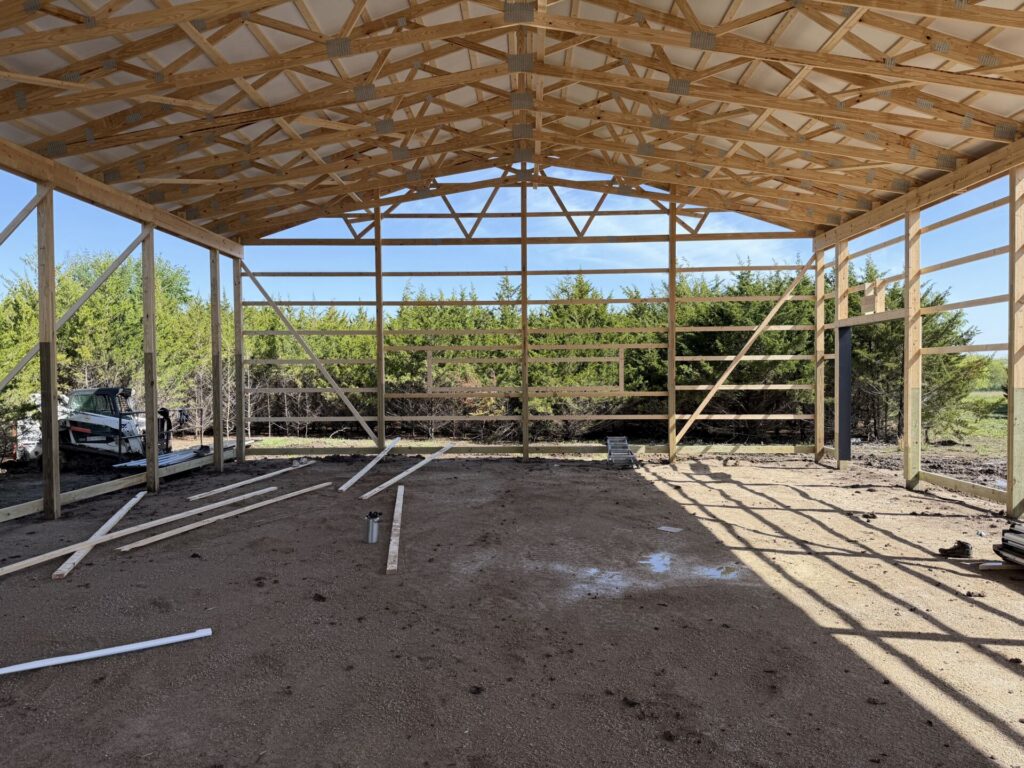
Give Your Tools a Dedicated Work Area
Tools have a way of spreading throughout a shop if they don’t have a designated home. A good work area can help keep projects organized while preserving the rest of the building for vehicles and storage. Think about where your main workbench should be located and what equipment will stay there permanently. A bench grinder, vise, saw, battery chargers, compressor, or other frequently used equipment may influence how much counter space you need and where electrical outlets should be installed. Working with a custom hobby shop builder in Leavenworth County can help you plan these details before construction begins, so your work areas, electrical needs, and storage all make sense together. Wall space is valuable too. Cabinets, shelving, pegboards, and other vertical storage can keep tools accessible without sacrificing floor space. If you know where those features will go before construction, lighting and electrical service can be planned around the actual workspace instead of added wherever there’s room later.
Separate Everyday Storage From Long-Term Storage
Not everything in a hobby shop needs to be equally accessible. Tools you use every weekend should be easy to reach. Holiday decorations, camping equipment, spare parts, and items used once or twice a year can usually be stored farther away from the main work area. This is where thoughtful storage planning can make a large difference. Shelving along walls, cabinets, dedicated equipment areas, and other storage solutions can prevent boxes and loose items from slowly taking over the floor. When we’re helping customers think through a multi-purpose building, we want to preserve open space wherever possible. Floor space is usually the hardest thing to get back once a shop fills up, so taking advantage of walls and designated storage areas can help the building continue to feel organized.
Think About Electrical Needs Early
A hobby shop can require considerably more electrical access than a building used strictly for storage. Battery chargers, power tools, welders, compressors, refrigerators, televisions, heaters, and other equipment can quickly make a few standard outlets feel inadequate. The best time to think about those requirements is before walls are finished and equipment is moved in. Consider where the workbench will sit, where larger equipment might be located, and where you’ll charge tools or recreational vehicles. This is one reason working with experienced post frame building contractors in Leavenworth County can be valuable when planning a shop. The building’s intended use should influence the layout and infrastructure from the beginning rather than being treated as something you’ll figure out after construction.
Don’t Overlook Lighting
Good lighting becomes especially important when one building serves several purposes. The amount of light needed to park a vehicle is very different from what you may want when working on an engine, woodworking, restoring furniture, or handling another detailed project. General overhead lighting can provide visibility throughout the shop, while additional task lighting can be planned around workbenches and specific project areas. Natural light from windows can also make the building more comfortable during the day, although window placement should be balanced against your need for wall storage. Thinking about lighting as part of the original design can help avoid dark work areas and reduce the need to rely on portable lights later.
Decide Whether You Want Year-Round Comfort
If the hobby shop is primarily storage, you may not care much about the temperature inside. If you’re planning to spend several evenings or weekends there throughout the year, that’s a different story. Kansas summers and winters can make an unconditioned building uncomfortable, so insulation, ventilation, heating, and cooling are worth discussing during planning. You don’t necessarily have to install every comfort feature immediately, but preparing the building for future improvements can give you more flexibility. The same principle applies to plumbing. A utility sink can be convenient for cleaning tools and washing up after messy projects, while a restroom may make sense for a detached shop located some distance from the house. These features aren’t necessary for everyone, which is why the building should be designed around your priorities.
Plan for What You’ll Own Five Years From Now
One of the easiest mistakes to make is sizing a hobby shop around what you own today. Hobbies change, families acquire more vehicles, and equipment tends to multiply once there’s finally somewhere to store it. Maybe you don’t own a camper now but expect to purchase one later. Perhaps your current side-by-side eventually becomes two. You may start woodworking casually and later need space for larger equipment. With custom post frame buildings in Leavenworth County, we can discuss those possibilities while the building is still being planned. You don’t necessarily need to build a dramatically oversized shop, but giving yourself some flexibility can prevent the space from feeling full almost immediately.
A Hobby Shop Can Complement a Future Barndominium
Property planning becomes even more important when a hobby shop isn’t the only building you may eventually construct. Some customers want a detached shop first and plan to build a home later. Others already have a house but may consider a different living arrangement in the future. If you’ve considered working with barndominium builders in Leavenworth County, think about where that future building might sit before placing the hobby shop. You don’t want today’s project occupying the best location for tomorrow’s home or creating awkward driveway and utility arrangements. Likewise, custom barndominium builders in Leavenworth County should understand how an existing hobby shop fits into the overall property. The two buildings can complement each other when access, storage, parking, and utilities are considered as part of a larger plan.
Don’t Forget About the Space Outside
The inside of the hobby shop gets most of the attention, but the area around it matters too. If you’re storing trailers, boats, or equipment, you’ll probably need room to maneuver outside the overhead doors. You may also want temporary parking or an area where equipment can sit while you’re working on something else inside. Building orientation can make a major difference here. A door facing an open area may be much easier to use than one positioned toward a narrow driveway or another structure. Drainage should also be considered so water isn’t collecting near entrances or creating muddy areas where vehicles regularly travel. These details may seem small during the design stage, but you’ll notice them every time you use the building.
Build a Hobby Shop Around the Way You Spend Your Time
Yes, a hobby shop can absolutely be used for vehicles, tools, and storage. In fact, combining those uses is one of the reasons these buildings can be so valuable on rural properties. The important part is making sure each use has enough space without interfering with everything else. At Building Pros, our approach as a custom hobby shop builder in Leavenworth County starts with understanding what you actually want to do inside the building. We’ll talk about your vehicles, tools, equipment, work areas, storage needs, access, and how those needs may change in the future. A hobby shop shouldn’t become another building that’s packed from wall to wall with things you can barely reach. With thoughtful planning, it can be a place where your vehicles are protected, your tools stay organized, your belongings have somewhere to go, and you still have room left to enjoy the projects you built the shop for in the first place.
Give us a call at 855-302-0300 or check out Building Pros online. Whether you’re thinking about a barndominium, a post-frame building, or finally building that shop you’ve been talking about for years, we’re happy to talk it through. Building Pros specializes in custom barndominiums, post-frame buildings, hobby shops, and garages throughout Kansas and surrounding areas.
A lot of people call us when they’re still in the “just thinking about it” stage. That’s fine. Honestly, that’s where most projects start.
Tell us what you’re hoping to build. We’ll listen, ask a few questions, and help you figure out what makes sense. No rush. No pressure to sign anything.
Just a conversation about your project and where you’d like to go from here.
Give us a call at 855-302-0300 or check out Building Pros online. Whether you’re thinking about a barndominium, a post-frame building, or finally building that shop you’ve been talking about for years, we’re happy to talk it through. Building Pros specializes in custom barndominiums, post-frame buildings, hobby shops, and garages throughout Kansas and surrounding areas.
A lot of people call us when they’re still in the “just thinking about it” stage. That’s fine. Honestly, that’s where most projects start.
Tell us what you’re hoping to build. We’ll listen, ask a few questions, and help you figure out what makes sense. No rush. No pressure to sign anything.
Just a conversation about your project and where you’d like to go from here.
